
USDA Funds $2M Project to Test Novel Antiviral Fogging Technology Against Avian Influenza

Tallahassee Florida (March 27, 2026) — A research team led by Purdue University, with partners Entomol and 1,4Group, has been awarded $2 million from the U.S. Department of Agriculture (USDA) Animal and Plant Health Inspection Service (APHIS) to evaluate a novel antiviral fogging technology to combat high pathogenic avian influenza (HPAI), which remains a serious threat to poultry health and the global food supply.
The project’s lead investigator is Dr. Ekramy Sayedahmed, assistant professor of Poultry Medicine at Purdue University’s College of Veterinary Medicine. His research focuses on avian influenza vaccines and molecular virology.
“At Purdue University, our research team along with Entomol will develop a new therapeutic approach using hydrogenated catmint oil (HCO), a product of Entomol Products, LLC, to directly target and inhibit the virus in poultry environments, said Dr. Sayedahmed. “This innovative method has the potential to significantly reduce viral spread, offering farmers a practical solution to protect their flocks.”
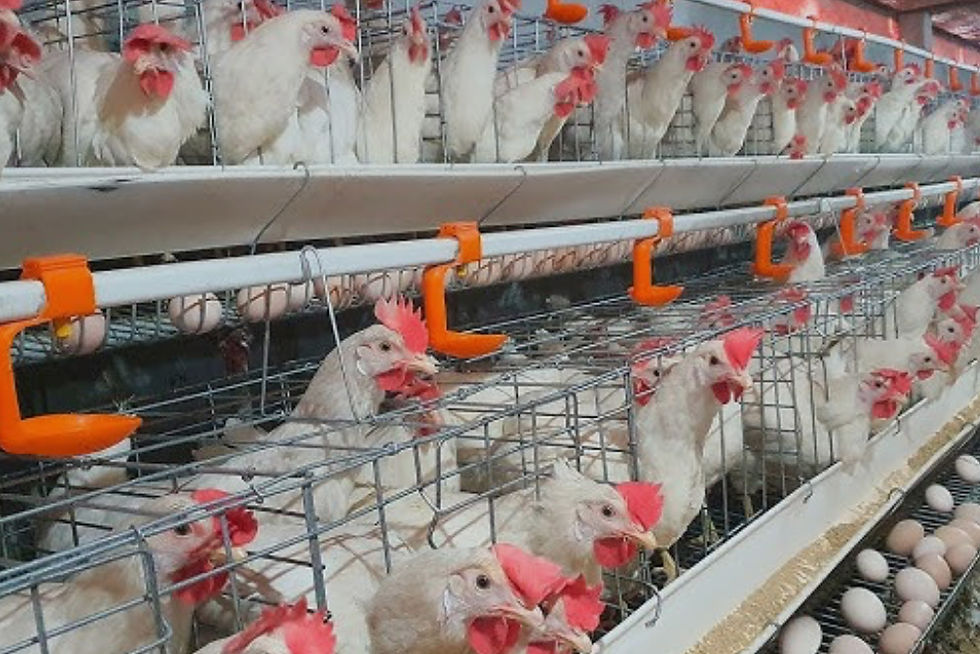
Highly pathogenic avian influenza outbreaks have led to the loss of more than 90 million poultry in the United States since 2022, according to USDA data, causing billions of dollars in economic losses and continued supply disruptions. The technology is designed to be deployed through fogging systems in commercial poultry and egg houses, where airborne virus transmission is a major driver of outbreaks.
“Hydrogenated catmint oil is a natural compound that, when used strategically in poultry facilities, interferes with the virus’s ability to propagate,” Dr. Sayedahmed added, “Our research involves testing HCO’s antiviral effects in the lab, assessing its safety in chickens, and evaluating its effectiveness in real-world poultry housing conditions. By combining scientific rigor with practical application, we aim to develop a tool that enhances biosecurity and diminishes the impact of HPAI outbreaks.”
“Entomol's hydrogenated catmint oil technology has demonstrated the ability to disrupt influenza viruses in the air and on surfaces at very low concentrations, said Mark Sloneker, CEO of Entomol Products, LLC.“This USDA-supported project will allow us to rigorously evaluate its potential as a practical biosecurity tool for poultry producers.”
The project builds on earlier proof-of-concept research conducted at the University of South Wales in Australia, where hydrogenated catmint oil was fogged into the air as an antimicrobial spatial treatment. Researchers found that very small concentrations of aerosolized HCO disrupted H1N1 influenza viruses both in the air and on contact surfaces. Additional laboratory studies demonstrated activity against multiple viral pathogens.
Under the project:
Entomol will coordinate the program and focus on optimizing fogging parameters and evaluating antiviral efficacy.
1,4Group will design and develop emitter systems capable of deploying the technology in large-scale commercial poultry houses.
Purdue University will conduct controlled trials measuring the effectiveness of aerosolized HCO in reducing avian influenza virus titers in air, on surfaces, and in birds.
Ohio State University, as a subcontractor, will assist with efficacy testing against highly pathogenic strains using specialized BSL-3 laboratory facilities.
“We are optimistic about the potential of HCO not only as a therapeutic agent, but also as a sustainable strategy for the poultry industry,” Dr. Sayedahmed contintued. “Protecting flocks helps safeguard animal welfare, ensures food security, and supports farmers’ livelihoods. This work represents a significant step forward in controlling avian influenza and advancing innovative solutions for animal health. If successful, the research could provide poultry producers with a cost effective, breakthrough biosecurity tool designed to reduce airborne viral transmission inside commercial poultry and egg facilities."


Comments